

Why a Google Maps Solar Quote is a Recipe for Hidden Costs
If you have spent any time looking into solar power for your Brisbane home recently, you already know how the typical process goes. You fill out an online form, a salesperson looks up your roof layout on Google Maps via satellite, and within twenty minutes, an itemised PDF quote lands in your inbox detailing exactly how many panels will fit on your roof and what your estimated payback period will be.
It is fast, seamless, and incredibly efficient at closing quick sales. It is also missing the single most critical structural element of a safe solar installation.
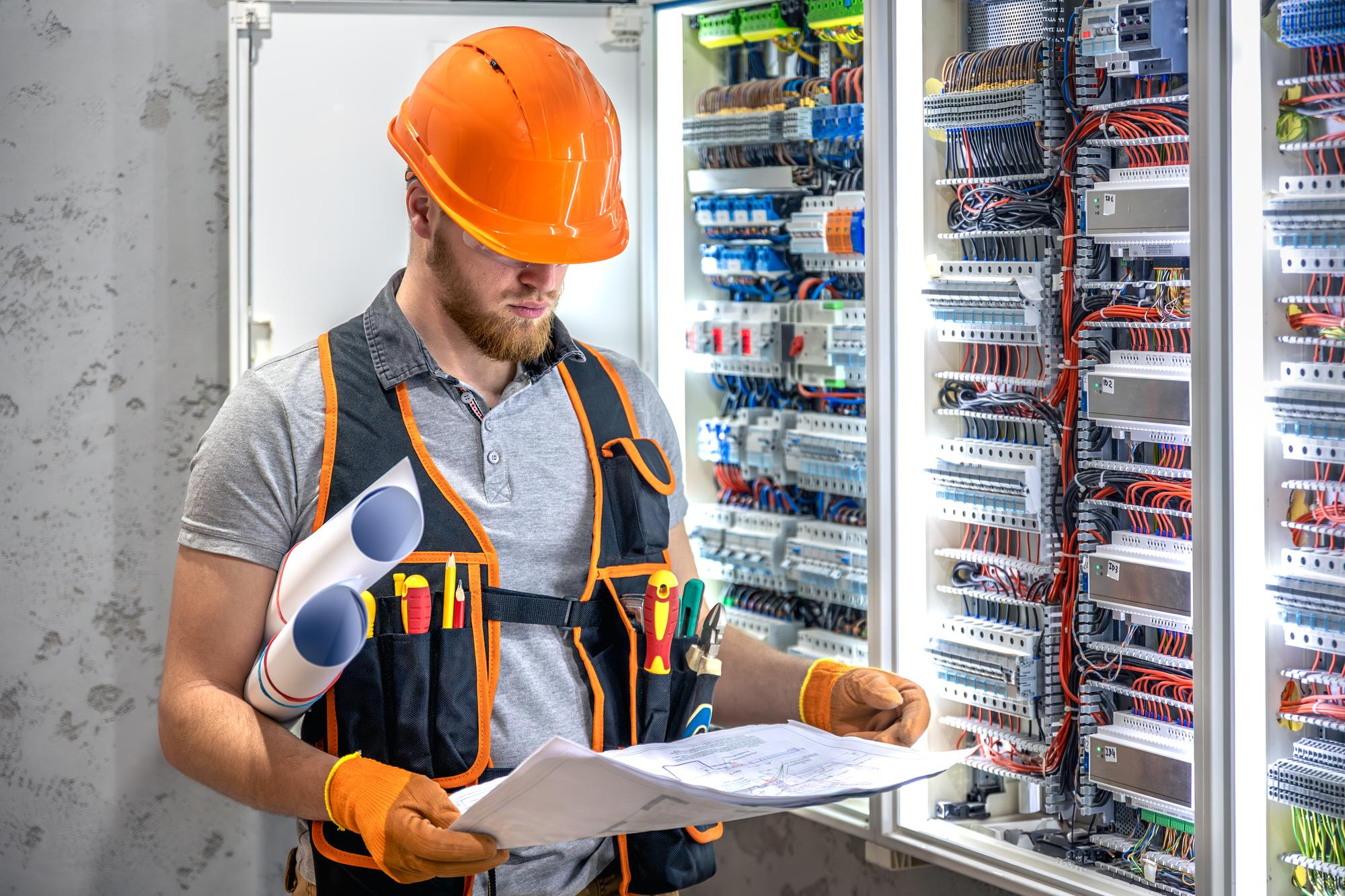
A satellite view can show an installer the pitch of your tin or tile roof, and it can accurately calculate where the shadows from your neighbour’s gum tree will fall at 2:00 PM in July. But it cannot open the metal box next to your front door or down the side of your house. It cannot inspect your switchboard.
And that is where the clean, simple math of a cheap remote solar quote usually falls apart.
“The real heart of your solar energy system isn’t sitting up on your roof catching the Queensland sun. It is sitting inside your meter box.”
The Hidden Gatekeeper of Clean Energy
To understand why a remote quote is a gamble, you have to look at how solar actually interacts with your home. When you install a standard 6.6kW or 10kW solar system, you aren’t just adding an appliance like a new fridge or a television. You are installing a fully operational power generation plant on your property.
Every kilowatt of electricity generated by those panels has to pass directly through your existing switchboard before it can safely feed into your home appliances or flow back out into the main grid. This requires specific physical space for modern circuit breakers, isolation switches, and digital smart meters. It also requires an infrastructure that can handle continuous, high-current directional shifts in power.
If you live in a classic Brisbane character home, whether it’s a heritage Queenslander in Paddington, Milton, or Ashgrove, an older suburban brick property in Aspley or Chermside, or a post-war home in The Gap, your switchboard was likely built for a completely different era of electricity consumption. It was designed to pull a steady stream of power in from the street to run a few lights, a hot water tank, and a stove. It was never engineered to manage a complex, two-way highway of high-voltage renewable energy.
The Day-One Emergency Upgrade Trap
When an aggressive solar retail company sells you a system entirely over the phone, they typically hand the actual installation work over to third-party subcontractors who are paid a flat rate per panel to get the job done as fast as possible.
On installation day, those contractors arrive at your house, unload the panels onto your lawn, and open up your switchboard for the very first time. If they find an outdated board filled with old ceramic fuses, crowded wiring, or degraded asbestos backing panels, a common sight in established areas like Clayfield, Ascot, Wooloowin, and Gordon Park, the project hits an immediate roadblock. It is legally and structurally impossible to connect a modern solar inverter to a non-compliant or maxed-out electrical board.
This is where the cheap online quote becomes incredibly expensive. The homeowner is suddenly stuck with an ultimatum: call off the entire installation, or pay an immediate, unbudgeted “emergency upgrade fee” ranging anywhere from $1,500 to $2,500 on the spot just to make the property legally compliant so the work can continue.
A Master Electrician’s Approach: Building from the Ground Up
At Ground Up Projects, we believe that transparency is the only way to build a premium, reliable energy system. We don’t believe in cutting corners with satellite-only guesswork because we see ourselves as master electricians first, and solar providers second.
Our local, licensed, in-house team services the wider Brisbane metro area, including the Northside, the Southern suburbs, and the Samford Valley. Whether your property is nestled in Indooroopilly, Toowong, Bardon, Auchenflower, Rosalie, Hendra, Herston, or Grange, we carry out a thorough, physical inspection of your home’s existing electrical infrastructure before you ever sign a contract or select a panel brand.
We physically audit your switchboard capacity, evaluate your current mains wiring, and map out exactly how a new solar array will affect your property’s safety and performance.
If your switchboard requires an upgrade to safely future-proof your home for solar, an electric vehicle charger, or ducted air conditioning, we tell you right away. It is written clearly into a single, comprehensive, fixed-price quote. No surprise variations, no sudden work stoppages on your lawn, and absolutely no hidden costs.
When you are investing in infrastructure that is meant to sit on your home and protect your family for the next twenty-five years, don’t rely on a view from space. Get a team on the ground who can look at the whole picture.
Contact Ground Up Projects today for an honest, physical inspection of your home’s electrical infrastructure before you sign a contract.
Other Blog Posts You May Like



We Come to You
Brisbane metro including Northside, the Southern suburbs, the Samford Valley, Aspley. Chermside, The Gap, Gordon Park, Wooloowin, Clayfield, Herston, Ascot, Hendra, Indooroopilly, Toowong, Bardon, Paddington, Auchenflower, Milton, Rosalie, Ashgrove and Grange.
Our Projects
At Ground Up Projects, we believe that true quality is built into every connection. Our portfolio represents a diverse range of successful outcomes, from high-stakes commercial fit-outs in Brisbane and surrounding suburbs to the meticulous electrical restoration of heritage Queenslander homes. By taking a strategic "bird's-eye view" of every site, we ensure that every light, circuit, and data point is installed with our signature Zero Defect Goal. Explore our recent work to see how we power Brisbane businesses and homes with precision, from the ground up.

